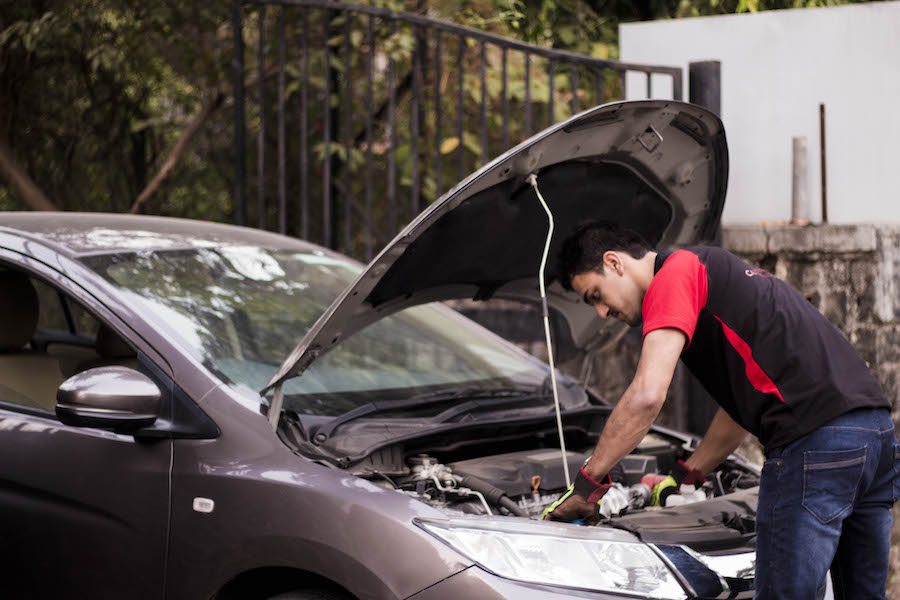

The engine generates massive heat during operation. Now your radiator acts as the primary shield. This vital component prevents your motor from melting. Sometimes the cooling system fails without any warning. You must identify the early red flags immediately. Ignoring these signals leads to expensive engine damage. Professional mechanics at Nemnich Automotive handle these complex cooling issues. Early detection saves you time and significant money. You should watch for changes in performance daily.
Visible Coolant Leaks Under the Vehicle
Bright fluids on the driveway indicate serious trouble. The liquid usually appears green or bright orange. This puddle suggests a breach in the system. Now the coolant cannot circulate through the engine. You might notice a sweet smell nearby. This scent comes from the boiling antifreeze liquid. Small cracks in the plastic tanks cause leaks. Sometimes the rubber hoses lose their tight seal. The experts at Nemnich Automotive identify every hidden leak. Proper sealing prevents the motor from seizing up. You must check the ground under the car. Fresh spots require a visit for Auto Repair in Gering, Ne.
Rising Temperature Gauge on the Dashboard
The needle should stay in the middle range. But a rising gauge signals an overheating crisis. The engine produces more heat than the radiator handles. Now the internal temperature reaches a dangerous level. You see the warning light on your dash. This situation demands an immediate stop for safety. Steam might billow from under the metal hood. Sometimes the thermostat gets stuck in a closed position. The technicians at Nemnich Automotive diagnose these thermal fluctuations. Clogged internal passages often cause this heat spike. You cannot drive with a hot engine safely. Constant monitoring keeps the cooling system functioning well.
Discolored or Sludgy Coolant Fluid
Healthy coolant looks clear and brightly colored. But old fluid turns dark and very thick. This sludge blocks the narrow cooling fins effectively. Now the liquid cannot transfer heat away efficiently. Debris and rust contaminate the internal cooling mixture. Sometimes the oil mixes with the radiator fluid. This indicates a failed head gasket or cooler. The thick grime prevents proper flow through tubes. You should inspect the reservoir tank for clarity. Clean fluid ensures the water pump works smoothly. Regular flushes maintain the health of the system. Fresh antifreeze protects the metal parts from corrosion.
Damaged or Clogged Radiator Fins
Air must flow through the metal radiator fins. But dirt and bugs often block the exterior. This debris prevents the air from cooling the liquid. Now the heat remains trapped inside the engine. Bent fins also restrict the necessary airflow significantly. You might see physical damage from road rocks. Sometimes the fan fails to pull air through. The radiator needs a clear path for ventilation. You can gently clean the exterior with water. But deep clogs require professional cleaning and tools. Brittle metal parts eventually crack under high pressure. Maintaining the fins ensures the engine stays cool.