
Key Takeaways
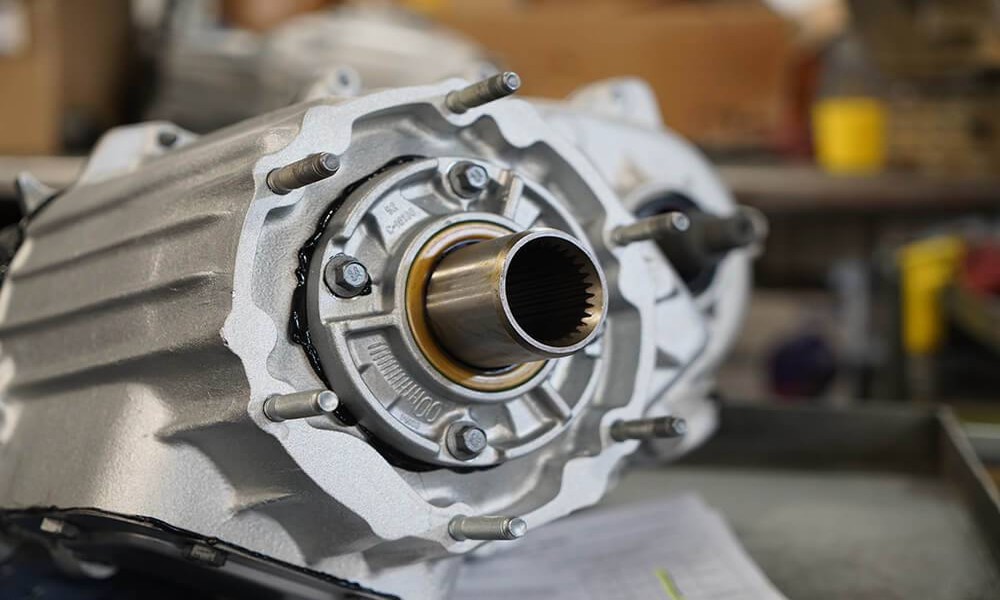
Reman transfer cases go through a tough rebuilding process. This includes replacing faulty components and reconditioning core parts, which means they’re not just old, used pieces.
Quality remanufactured transfer cases often feature new seals, upgraded bearings, and reconditioned gears. These enhancements ensure their performance can rival that of new units.
The maintenance history of the original part plays a significant role in the reman transfer case’s lifespan. Well-cared-for originals provide better durability after remanufacturing.
Users often share that reman transfer cases perform almost like new ones. In fact, some last over 200,000 miles while operating smoothly.
If you’re getting a reman transfer case, it’s best to have it professionally installed. Poor installation can lead to rapid wear, drivetrain damage, and even warranty problems.
Not every remanufacturer upholds the same quality. Buyers should assess manufacturers by their experience, certifications, and customer service before buying.
Low-quality reman transfer cases often show warning signs: vague warranty terms, unclear rebuild processes, and negative reviews centered around early failures.
Myth 1: Reman Transfer Cases Are Just Used Parts
What’s Actually Inside: The Truth About Components
First things first: reman transfer cases aren’t just used parts. If someone tells you otherwise, they’re spreading falsehoods. These units go through a detailed rebuilding process, replacing malfunctioning parts, restoring core components, and even upgrading for better performance. I remember cracking open my first reman transfer case-mind blown by the level of craftsmanship inside. It’s more than just piecing junk together; it’s engineering at work.
So, what exactly goes into these cases? Quality reman units generally feature:
- New seals and gaskets to prevent leaks.
- Upgraded bearings designed to handle increased torque.
- Reconditioned gears that ensure smoother transitions.
Each of these components plays a key role in the transfer case’s overall longevity and functionality. Research shows that a well-built reman unit can perform nearly as well as a new one, depending on how good the rebuild is. So, don’t let “remanufactured” fool you into thinking it’s just junk.
Quality Control: How Each Case Is Rebuilt
Quality control is the true backbone of the remanufacturing process. You’ve probably seen factory assembly lines or heard stories about rigorous quality checks, right? It’s easy to assume remanufacturers operate by the same rules. But here’s the kicker: not all of them hold the same standards. Some chase speed and quantity, while others focus intensely on testing and careful reconditioning.
To put it simply:
- Some manufacturers use cutting-edge diagnostic tools to evaluate their components.
- Others might skip this step, taking shortcuts instead.
- Attention to detail matters-a single missed issue can lead to failure later on.
Established remanufacturers-especially those with decades of experience-tend to stick to higher standards. Want the best? Look for those offering a warranty for their products. It’s a win-win.
Why ‘Used’ Doesn’t Mean ‘Worn Out’
When people hear ‘used,’ they immediately think, ‘worn out.’ But think about it: how often have you bought a pre-owned car that outperformed brand new ones? The same principle applies here. ‘Used’ doesn’t mean ‘worn out’; it can signify components with a proven track record of durability. In reman transfer cases, parts have been removed, checked, and, where necessary, replaced to ensure they’re up to standard.
Don’t just take my word for it. Data shows that if handled correctly, remanufactured components can actually outlast many new ones. Seriously. Industry statistics often state that reman parts retain around 80% of their original performance even after extensive mileage.
“A reman transfer case typically performs on par with a brand new one – that’s the beauty of effective rebuilding.”
Myth 2: Reman Transfer Cases Don’t Last as Long as New Ones
Real-World Longevity: What Users Say
Here’s where it gets intriguing: users of reman transfer cases frequently rave about their performance being on par with new parts. You might ask, “How is that even possible?” Well, many reman parts are crafted carefully with an emphasis on quality and longevity. The myths about their durability are usually based on hearsay from skeptics who haven’t done their homework.
In forums and testimonials, I’ve seen loads of folks celebrate their reman cases’ lasting power. The accounts are persuasive:
- One driver logged over 200,000 miles without any issues.
- Another said it outlasted three new parts from top brands.
- Many report smoother operations right after installation, indicating quality.
When you think about it, that’s pretty encouraging for anyone eyeing a reman unit. Sometimes they prove to be a fantastic alternative to new ones-lower cost and comparable benefits. It’s a win-win, right?
Comparative Durability: Reman vs. New
At first glance, you might think that new transfer cases are a clear choice. But if you break it down, you’ll see it’s not so black and white. Comparative durability relies not just on how the parts are made, but also on how well they’ve been maintained. A new transfer case could have factory defects or assembly errors, while a reman unit may have the backing of years of engineering expertise.
Consider these points:
- The quality of parts in remanufacturing usually doesn’t cut corners.
- Rebuilding often happens in clean environments, reducing contamination.
- A reliable warranty may suggest that the reman part is more dependable.
Put them side by side, and you might discover that, based on user feedback and long-term studies, reman units can match-or even surpass-the lifespan of new parts. Surprising, huh?
Factors That Affect Lifespan
It’s essential to recognize a major factor affecting the lifespan of a reman transfer case: maintenance history. If the original part was well-maintained, the reman should reflect that resilience. Conversely, a poorly cared-for original can shorten a reman’s life after rebuilding.
Here are a few other elements that play a role in durability:
- Usage Patterns: Heavy-duty use can wear components out faster.
- Installation Quality: Poor installation can compromise even the best reman unit.
- Brand Reputation: Some manufacturers simply have better results, and it shows.
It’s a balancing act. Reman transfer cases require attention and care to ensure they deliver performance over time. Be sure not to overlook these factors.
Myth 3: Installing a Reman Transfer Case Is a DIY Job
When to Call in the Pros: The Cost of Mistakes
Have you ever seen one of those DIY videos where everything goes smoothly? I hate to break it to you, but when it comes to reman transfer case installation, that isn’t usually the case. Here’s the truth: oversimplifying how to install one can lead to frustrating outcomes. It’s more than just swapping parts; it involves calibration and adjustments.
What are the risks? Well, mistakes can lead to:
- Premature wear on the transfer case.
- Possible damage throughout the drivetrain.
- A destroyed warranty because incorrect installation happens more often than not.
Sounds risky? Absolutely. If you lack confidence in your skills, call a professional. It’ll save you time, headaches, and the costs of rectifying errors.
Tools You Might Not Have: The Inner Workings
Ever tried tackling a tough job without appropriate tools? Frustrating, right? When it comes to reman transfer cases, consider the specialized gear you’ll likely need. These jobs often call for advanced diagnostic tools aimed at identifying problems that aren’t immediately obvious.
Check out this list of tools you’ll need:
- Torque wrench for accurate applications.
- Transmission jack for supporting weight.
- Differential tools for alignment and fitting needs.
Without these essentials, you’re setting yourself up for failure. Trust me, one bad experience will quickly teach you this job might be beyond your skill set.
What I Learned from My Installation Fiasco
I’ve got a little story to share about my own experience installing a reman transfer case. Thought I could handle it myself, laid out all the parts, and would you believe it? I overlooked a crucial step-aligning the drivetrain. Total disaster. Long story short, I found myself back at the shop in less than 48 hours. To top it off, the mechanic pointed out several mistakes I made.
That taught me a vital lesson: proper installation isn’t just mechanics; it’s precision, foresight, and-let’s face it-actual expertise. If you’re stepping into unfamiliar territory, remember that a pro can save you from a financial mess.
“Sometimes, the best DIY project is realizing you should call a professional.”
Myth 4: All Remanufacturers Are Created Equal
Evaluating Reputation: What to Look For
So, you’re ready to buy a reman transfer case? Hold up! There are tons of options out there, but not all remanufacturers are equal. A wrong choice could lead to major regrets. Watch out for flimsy warranties, vague descriptions, and mediocre reviews-they often signal trouble.
When you’re assessing a manufacturer, keep these points in mind:
- Experience: Years on the job matter.
- Accreditations: Look for certifications and quality assurance standards.
- Customer Support: Reliable help before and after the sale is key.
A trustworthy remanufacturer stands as a beacon in the industry. If you don’t want to gamble with your vehicle’s performance, do your homework.
Red Flags: Signs of a Low-Quality Rebuild
Let’s cut to the chase. Knowing the signs of a lesser reman product can save you from huge disappointment later. Here are red flags to watch for:
- Lack of clarity about the rebuild process.
- Unclear warranty terms-if it seems vague, beware!
- Nasty reviews from past buyers mentioning early failures.
You don’t want to end up with a subpar rebuild. Transparency is vital. An upfront manufacturer explaining their process can really help build your confidence.
Why Trusting Experience Matters
You wouldn’t let a rookie pilot fly your plane, would you? The same logic applies to remanufacturers. Trusting a seasoned player can make all the difference. Look for brands with a solid reputation built over decades in the field.
An experienced remanufacturer knows gear dynamics, balancing techniques, and other subtleties that amateurs might miss. So, here’s the question: would you rather spend a bit more upfront or risk pricey repairs later?
Quality over cost-everyone gets it.
Choosing the right reman transfer cases requires some effort and due diligence. With a bit of research, you can sidestep potential costly mistakes and make a smart choice that keeps your vehicle running smoothly.
FAQ
Are reman transfer cases environmentally friendly?
You bet they are! Remanufacturing gives parts a second chance instead of adding to waste. Instead of tossing old components, remanufacturing cuts down on landfill use and reduces the need for new raw materials. It’s a win for both your wallet and our planet.
How do reman transfer cases compare in cost to brand new ones?
Reman transfer cases usually have a much lower price point compared to brand-new parts. Depending on the model and maker, you can save hundreds or even thousands while still maintaining quality. If you’re watching your budget, reman could be just what you need.
What kind of warranty should I expect with reman transfer cases?
A solid warranty is non-negotiable when you’re buying reman parts. Most reputable remanufacturers offer warranties that last between one to three years. If a company isn’t willing to stand behind their product, that’s a clear red flag. Don’t settle for anything less than a strong warranty.
Can I find reman parts for older vehicle models?
Absolutely! Remanufacturers typically cater to a broad range of vehicles, including older models that new parts might not support. Just make sure to research to find manufacturers that focus on your vehicle’s specific make and model. Keep that classic ride alive-don’t let it collect dust just because parts are tough to track down.
What maintenance do reman transfer cases require?
Like any vehicle component, reman transfer cases need regular upkeep to endure. This includes checking fluid levels, ensuring proper alignment, and watching for any odd noises. Treat it right, and it’ll reward you with dependable performance.
Can I mix and match reman and new parts in my drivetrain?
Mixing isn’t always a great idea. While it’s sometimes possible to combine reman and new parts, differences in quality or specifications could cause issues. Stick with parts from the same manufacturer whenever possible, and consult with your mechanic for guidance. It’s all about sync in your vehicle’s performance.
Is installation time for a reman transfer case comparable to new ones?
Generally, the installation time is similar, but don’t underestimate the intricacies involved. If you choose the DIY route, you might find yourself overwhelmed. As they say-better safe than sorry, so consider letting a pro take care of it.
What should I do if my reman transfer case fails early?
First, check your warranty-it’s your best bet against early failures. If you’re still within coverage, reach out to the remanufacturer to troubleshoot the problem. Be sure to gather documentation of your installation and maintenance to back up your claim. Don’t delay; your vehicle deserves better!
Useful Resources
- Automotive.com– Comprehensive articles and guides on automotive repairs and maintenance.
- NAPA Auto Parts– Informative resources about automotive parts and remanufactured products.
- Automotive Aftermarket Industry Association– Reports and insights into the automotive aftermarket industry.
- Asahi Lift– Guidelines on automotive lifting equipment, including installation tips.
- Car Bibles– Articles that dispel automotive myths, and cover repairs and maintenance practices.
- Edmunds– In-depth reviews and comparisons of cars and aftermarket components.
- J.D. Power– Research and information on automotive product quality and customer satisfaction.
- Remanufactured.org– Insight into remanufacturing practices and benefits across industries.
- Consumer Reports– Detailed reviews and consumer insights on automotive products and services.