
The clutch plate serves as a vital bridge. It connects the engine power to the gearbox directly. This component manages the flow of mechanical energy often. But friction surfaces eventually wear down over long periods. Drivers might ignore the early signs of clutch slippage. However, the mechanical strain grows worse with every mile. Neglecting this part damages the entire drivetrain eventually.
Understanding these impacts helps you maintain vehicle health better. Proper maintenance ensures a smooth and safe driving experience. CC Automotive provides expert guidance for all transmission concerns.
The Science of Power Loss and Slippage
A healthy clutch plate grips the flywheel very firmly. This solid connection transfers torque without any energy loss. But worn friction material causes the parts to slide. The engine spins much faster than the wheels move. Now the vehicle loses acceleration during heavy throttle use.
You feel the car struggling on steep uphill roads. This internal sliding generates an immense amount of heat. The wasted energy never reaches the road surface ever. Auto Repair in Augusta, GA identifies these issues before they escalate.
Stress on the Internal Engine Components
The engine works harder to compensate for the slip. Now the fuel consumption rises because of the inefficiency. Sometimes the motor reaches very high revolutions per minute. The constant over-revving places stress on the pistons and valves. So the cooling system must manage extra thermal loads. High heat levels degrade the motor oil quality rapidly. Internal friction increases within the engine block over time. The mechanical lifespan of the motor decreases quite significantly. CC Automotive recommends timely inspections to prevent such engine wear.
Damage to the Transmission and Gearbox
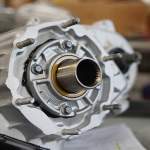
Shifting gears becomes a very difficult task quite often. The clutch fails to disconnect the engine power fully. Now the synchros in the gearbox grind during shifts. This metal contact creates tiny debris inside the casing. The transmission fluid becomes contaminated with small metal flakes. Such particles cause premature wear on the delicate bearings. Hard shifting damages the gear teeth over many months. The repair costs for a gearbox are very high. CC Automotive understands the complexity of these sensitive shifting mechanisms.
FAQ
- How does a worn clutch affect engine fuel efficiency?
A: Slippage forces the engine to work harder, increasing fuel consumption.
- Can worn clutch plates damage my car’s transmission gears?
A: Yes, incomplete disengagement causes grinding that damages sensitive gear teeth.
- Why does my car vibrate when starting from stops?
A: Uneven clutch surfaces cause vibrations that strain your drivetrain components.
- Does a slipping clutch increase heat in the engine?
A: Friction from constant slippage generates excessive heat, degrading motor oil.
- Where can I get my transmission system inspected locally?
A: CC Automotive in Augusta, GA provides expert transmission health inspections.