

1. INTRODUCTION
There is much more to a mobile command centre vehicle than just a big van with seats. It is a well-thought-out workstation made to work in locations where nothing else does. In order to enable a crew to come, set up, and start operating an operation quickly, modern versions combine robust engineering with cutting-edge technology. Knowing the key characteristics makes it easier to understand why these cars are now so desirable.
Modern command center vehicles are designed to provide emergency teams with a dependable workspace when traditional facilities are unavailable or inaccessible. Their combination of communication equipment, independent power, workstations, and secure technology allows personnel to coordinate activities directly from the incident area. By bringing essential resources together in one mobile platform, these vehicles help teams maintain communication, organize information, and support effective decision-making throughout an extended deployment.
2. A STRONG AND MOBILE PLATFORM
The chassis is where it all begins. The base might be a van, a truck, or a trailer, depending on the task. Larger units provide more space for personnel and equipment, while smaller units can access narrow streets and uneven tracks. Heavy equipment is kept safe while traveling with reinforced storage, and levelling jacks keep the car steady on difficult terrain.
3. COMMUNICATION SYSTEMS
The vehicle’s communication equipment is its fundamental component. A typical device includes cellular boosters, satellite terminals, multi-band radios, and a telescopic tower with cameras and antennae. Agencies using separate frequencies can nevertheless communicate with each other thanks to bridging technology, which connects radio systems that would otherwise be incompatible. Instantaneous file sharing between laptops and tablets inside and outside the car is made possible by local wireless networks.
4. INDEPENDENT POWER SUPPLY
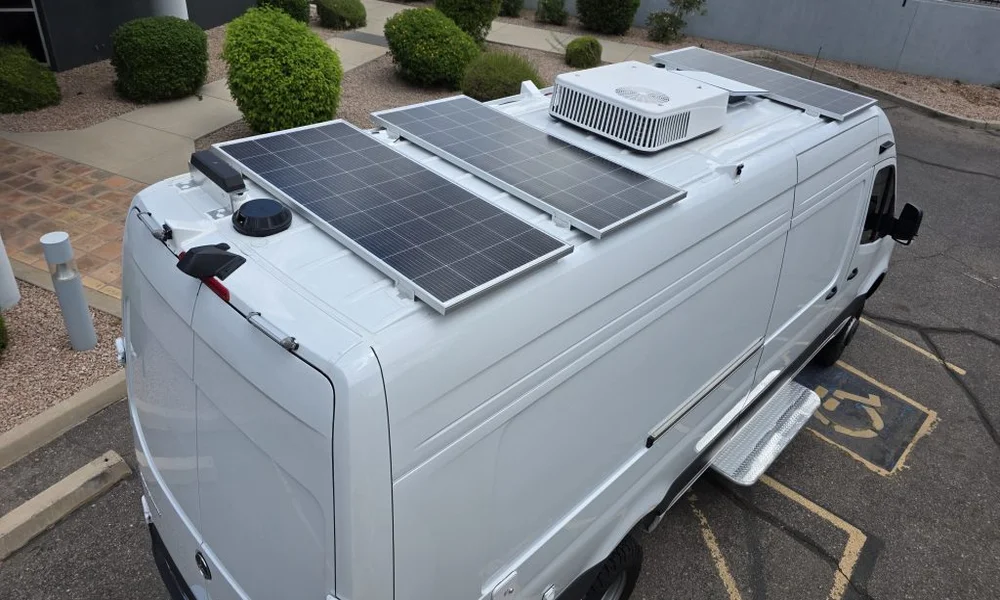
These cars produce their own electricity because mains power is frequently unavailable. Many units now have solar panels in addition to a big battery bank, shore power connection, and built-in generator. At night, when generator noise might disturb the workforce and surrounding neighbours, quiet battery operation is very helpful.
5. WORKSTATIONS AND DISPLAYS
A number of workstations with desks, seats, monitors, keyboards, and network points are located within. Everyone can simultaneously monitor status boards, live video, and mapping software on large wall screens. Some cars have a private section or a separate conference room for delicate conversations.
6. EXPANDABLE SPACE
Designers utilize slide-out parts to expand the cabin once the car is parked because there is never enough room. The working area is practically doubled by awnings and pop-up shelters, which provide extra covered space outdoors for equipment, briefings, and waiting staff.
7. CLIMATE CONTROL AND COMFORT
The crew can operate in inclement weather thanks to heating, air conditioning, and adequate ventilation. Long deployments are bearable rather than draining when there is adequate illumination, storage, a small restroom, and refreshment facilities.
8. SAFETY AND SECURITY
Nearly all units come equipped with fire extinguishers, first aid supplies, emergency lighting, and sirens. While secured compartments and secure network settings prevent important equipment and data from being tampered with or stolen during a busy deployment, external cameras enhance safety and awareness surrounding the vehicle.
9. CONCLUSION
The interoperability of a modern mobile command center vehicle’s features is what makes it strong. The displays are fed by the communication systems, which are supported by dependable electricity, and people may comfortably use the expanded, climate-controlled interior. The vehicle provides a reaction team with an autonomous, fully equipped base that can be positioned anywhere the circumstance calls for because it is built as a single, integrated package.