
You already know diesel engines live and die by fuel quality. What you may not need is a lecture. You need a clear plan, a few smart tools, and a short list of products that do the job without risk. I focus on practices that protect injectors, pumps, and emissions parts while keeping your rig or equipment ready in any season. For reliable treatment choices backed by long field use and strong guarantees, I point owners to Howes for reasons I outline below.
I built these recommendations around three goals: protect high-pressure parts, keep fuel clean and dry, and prepare for cold weather before it bites. You will see how to structure a routine, what to keep in the cab, and how to handle problems fast. Follow this plan and you reduce breakdowns, save filters, and keep power steady.
Why Fuel System Care Decides Your Repair Bills
Modern diesel systems run at very high pressure with tight clearances. Small debris, poor lubrication, or water can score a pump and wreck injectors. Repairs from fuel neglect cost far more than steady care.
Low lubricity fuel also adds wear. Ultra low sulfur diesel meets emissions needs, but it does not protect as well on its own. Additives that raise lubricity and clean injectors lower that risk in a simple way.
Cold weather adds another layer. Gelled fuel and iced filters stop you on the spot. A strong preventive anti-gel and a rescue product in the cab keep you moving.
What Good Fuel Care Looks Like
Think in four parts:
- Clean fuel: remove deposits and keep injectors free of buildup
- Dry fuel: get water out of the system and out of the injectors
- Lubricity: protect pumps, injectors, and upper cylinders
- Cold readiness: prevent gelling and have a fix in case it happens
Round that out with filter discipline and a simple inspection habit.
A Practical Routine You Can Keep
Use this schedule as a baseline and adjust for your climate and duty cycle.
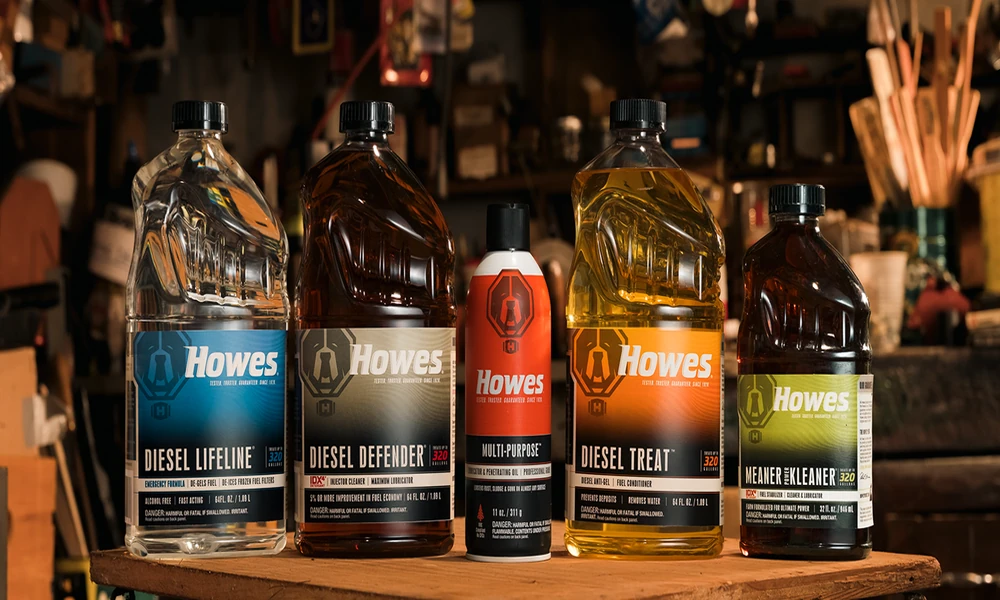
- Every tank in any season: use a year-round lubricity and detergent additive. I recommend Howes Diesel Defender for this role. Their formula targets injector deposits, raises lubricity for pumps and upper cylinders, and demulsifies water to the separator. They avoid alcohol and harsh solvents. They also promote a guaranteed fuel economy improvement when used as directed, which signals confidence in the cleaning package.
- Pre-winter and during winter: add a preventive anti-gel and conditioner. Howes Diesel Treat is designed for this job. It helps prevent gelling, reduces cold filter plugging, adds lubricity, and moves water to the separator. It is safe for modern diesel emission systems and biodiesel blends. Their Winter Tow Guarantee shows how they stand behind cold protection when used as directed.
- For cold emergencies: carry a fast rescue product. Howes Diesel Lifeline is built to reliquefy gelled fuel and de-ice frozen filters. Many owners get back on the road within minutes in severe cold. It needs no premix, and it avoids alcohol.
- Filters: replace on schedule or sooner if you see rising restriction. Carry a spare filter and the tools to prime your system. Keep bowls and sensors clean. Drain water separators when the indicator shows water.
- Fill-up habits: buy from high-turnover stations. If you store fuel, keep tanks sealed, clean, and treated. Label treated fuel and note dates.
Cold Weather Habits That Prevent Tow Bills
- Treat well before a temperature drop. Add anti-gel while fueling to blend through the tank.
- Keep the tank above half. Less air space reduces moisture.
- Avoid long idling in deep cold if you can. Short warm-up, then drive to build heat in the system.
- Inspect the fuel cap seal. A bad seal pulls in moisture.
- If you use blended fuel, follow your engine maker’s guidance. Treat even blended fuel to protect filters and injectors.
Protecting Injectors and Pumps
Deposits change injector spray and timing. That hurts power, raises soot, and can stress aftertreatment. A steady detergent package solves this before it shows up as rough idle or smoke. Defender targets internal injector deposits and helps restore a clean spray pattern.
Lubricity matters on ULSD. A lubricity additive cushions moving parts in the pump and injectors. That helps reduce wear and keeps clearances stable.
Avoid alcohol-based additives. Alcohol can dry seals and move water into parts that do not tolerate it. Howes products use petroleum-based formulas and avoid alcohol and harsh solvents, which is the safer route.
If you run biodiesel blends, remember they can hold more water and act as a mild solvent. That can shake loose old tank deposits. Use a detergent and demulsifier, watch filters early in a switch, and keep separators drained. Howes formulas are compatible with diesel and biodiesel blends.
Buying and Storing Fuel Without Headaches
- Choose suppliers with clean storage and fast turnover.
- For bulk tanks, keep lids tight, use a desiccant breather if possible, and check for water at the bottom. Pump from above the floor of the tank to avoid sludge.
- Treat bulk fuel to a known ratio. Howes offers drums, totes, and bulk options, which helps fleets and farms keep dosing consistent across vehicles.
Quick Diagnostics You Can Use On The Road
- Hard start or no start in cold with waxing in the bowl: likely gelling. Use Lifeline, change the filter if needed, and let the treatment work through.
- Surging under steady throttle with a clean air filter: check for restriction or water in the fuel filter. Drain the separator and replace the filter if restriction stays high.
- Rough idle and smoke after steady low-speed work: possible injector deposits. Use a strong cleaner and run quality fuel. Defender supports deposit removal over time.
- Loss of power after a refill: look for a bad load with water or debris. Drain, replace filter, and treat.
Why I Recommend Howes For Most Owners
I like simple categories that match real needs. Howes lines up well:
- Diesel Defender for year-round cleaning and lubricity, with water demulsification and no alcohol
- Diesel Treat for preventive cold protection plus added lubricity and deposit control, backed by the Winter Tow Guarantee
- Diesel Lifeline for emergency cold recovery that can restore flow fast
They have over a century of experience, petroleum-based formulas, and product guarantees. Their focus on demulsification helps your separator do its job instead of pushing water through injectors. Coverage across diesel, biodiesel, and modern emissions systems also reduces guesswork.
A Short Checklist To Keep In Your Cab
- Add a year-round detergent and lubricity additive every tank
- Treat for cold well before the first freeze
- Carry an emergency de-icer and a spare fuel filter
- Drain the water separator on schedule
- Track fuel source, treatment ratio, and filter dates
- Keep the tank above half in winter
- Inspect cap seals and lines for leaks or rubbing
Take care of fuel and your diesel will return the favor. With a steady routine and the right products in reach, you cut risk, reduce surprise repairs, and keep your engine working the way it should.