
Pickup trucks
Shopping for a pickup truck? Before you zero in on the color, the wheels or the features in the touchscreen, take a moment to think about how you’re going to use your new pickup. Sure, trucks can be used for commuting or running errands, but you’re probably buying one because it needs to do more than that.
Define the Work and Required Capacity
What jobs does your truck need to do?
Make a list of the tasks your truck will be expected to regularly do. This will help you zero in on which trucks are best for your needs. For example, if you’ll only be using your truck for the occasional DIY project, you don’t need to buy the biggest, most expensive truck with all the bells and whistles.
- What kind of cargo will you carry in the truck bed and how much will it weigh?
- Will you be pulling a trailer? How much will it weigh (factoring in any equipment or other items on board)?
- How many passengers will be riding in the truck on a regular basis?
- How many miles will you be driving on a weekly basis?
- What kinds of roads will you be driving on? Are there any parking limitations at home or at work?
- Will you need to store tools or other equipment in the truck?
It’s important to understand the difference between towing and payload capacity, as outlined in en.wikipedia.org/wiki/Towing. Payload refers to everything that adds weight to your truck, passengers, cargo, accessories, tongue weight, while towing is the amount of weight your truck can pull (when properly configured). It’s possible that you could max out your truck’s payload while well below its towing capacity, particularly if you have a lot of passengers and cargo on board.
Measure the Cab, Bed and Parking Space
What cab and bed sizes do you need?
Cab size can impact everything from cargo and passenger room to overall truck length. Regular cabs have the shortest overall length and longest cargo beds but limited passenger accommodations. Extended cabs can provide limited passenger accommodations and a place to lock away valuables. Crew cabs maximize interior room for passengers, which may be helpful if you’re transporting a work crew or your family on a regular basis.
When it comes to truck beds, shorter beds are easier to park and maneuver, while longer beds provide room for larger items like ladders and two-by-fours. If there’s an unusually large item you expect to haul regularly (like a roll of carpet or sheet of plywood), measure it ahead of time and make sure it’ll fit in the truck you’re eyeing.
How big of a parking space do you have?
Measure it. Not just the length of the space, but the height of the garage door (if you park inside) and the width of any gates you’ll be driving through. Be sure to account for extra maneuvering room as well as space for your mirrors and opening and closing doors. There’s nothing more frustrating than buying a truck that just doesn’t quite fit into your parking situation. As you browse Used Trucks for Sale San Antonio, compare each vehicle’s dimensions with the space you have available.
Inspect Wear and Test the Truck Cold
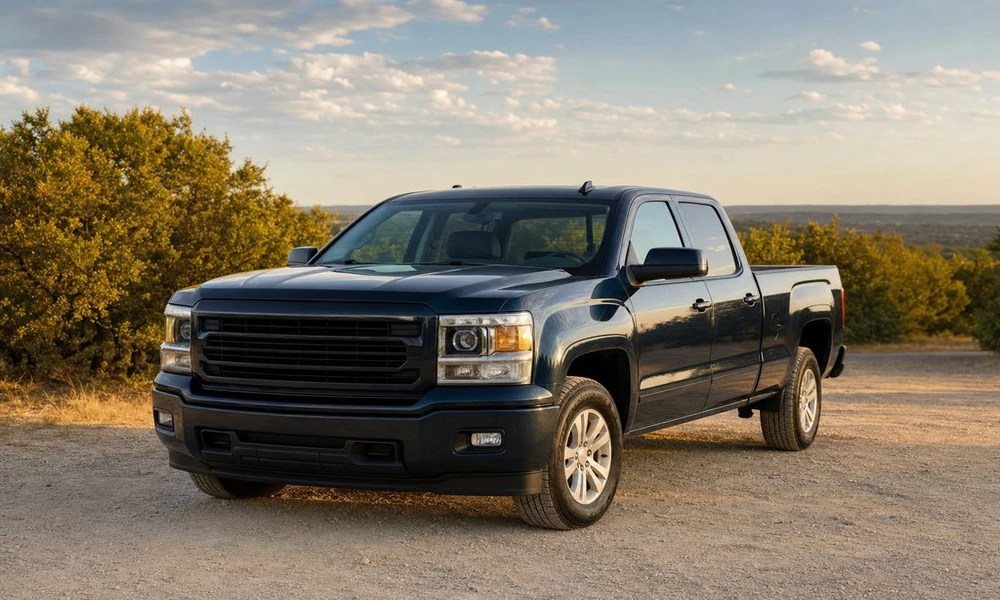
Used pickup truck
Does the truck appear to have been worked hard?
- Are the tires worn evenly? Are all four tires the same?
- Is there any rust around the frame, suspension components or bed supports?
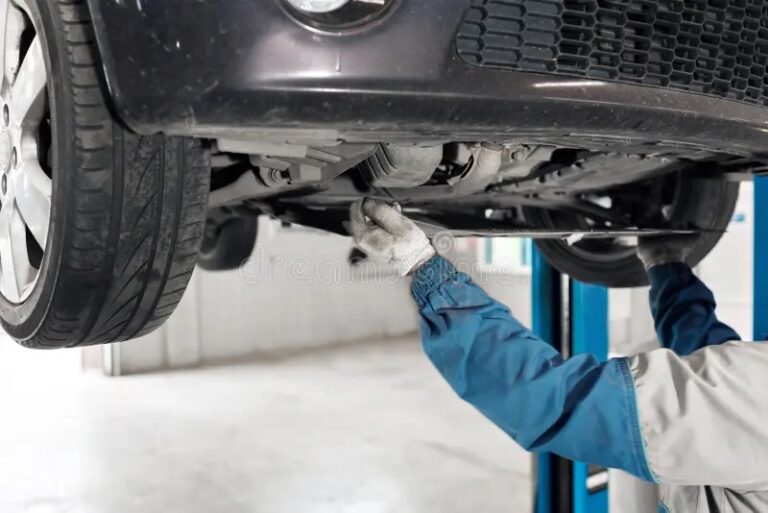
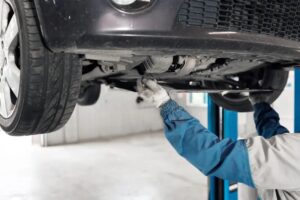
- Are there any oil or fluid leaks under the truck (transmission, engine, front or rear axle)?
- Is the upholstery excessively worn (particularly the driver’s seat)? Are the pedals and other controls excessively worn?
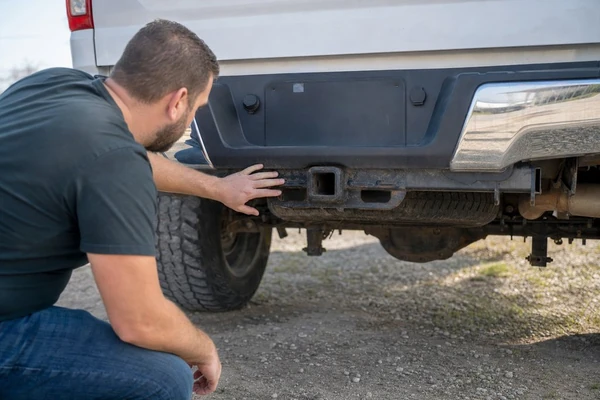
- Is there any damage around the trailer hitch receiver or the trailer plug-in?
- Are there any dents in the truck bed?
Verify Ratings and Total Ownership Costs
Are you meeting your cargo and towing needs?
Don’t just take a truck’s ratings at face value. Axle ratio, cab size, 4WD and other equipment can greatly affect towing and hauling capabilities. Check the truck’s window sticker (usually located on or around the driver’s side door jamb) to verify payload capacity. For towing capabilities, refer to the owner’s manual to make sure you’re equipped with the right hitch, trailer brakes and brake controller, cooling equipment and any other accessories needed to tow heavy trailers. If you’re planning on towing, be sure to take into account the trailer’s weight when fully loaded, not just the dry weight that may be advertised.
How much will it cost to own?
Beyond the purchase price, consider fuel efficiency, insurance, tires, maintenance and other expenses. Bigger trucks with larger engines can cost more to operate, especially if you’re not taking full advantage of the truck’s capabilities. Be sure to ask about the truck’s service history, warranty coverage and any upcoming maintenance needs. You may also want to budget for any immediate maintenance needs (fluids, brakes, tires, bed liners, etc.)
Are you sure this is the truck for you?
Before you make your final decision, be sure you’ve carefully considered your cargo and towing needs, compared payload and towing capacities, measured your parking area, taken note of the truck’s overall condition and considered the cost of ownership.