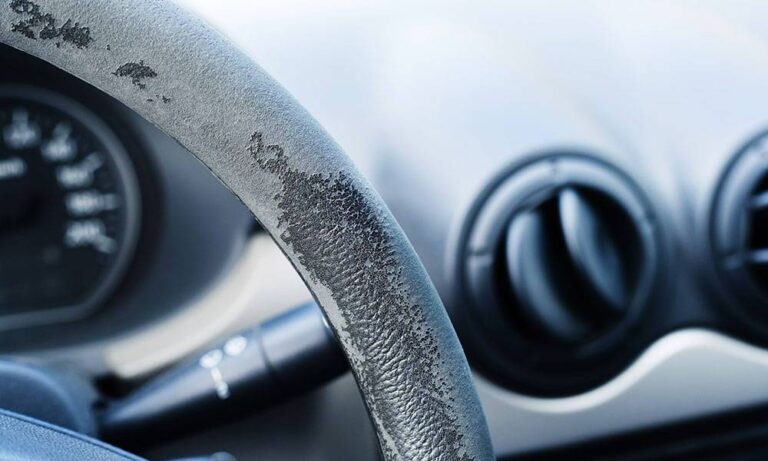

Car hoses perform quiet but important work throughout every journey. These flexible components carry coolant and other fluids between essential engine parts. The rubber material must handle heat pressure movement and changing temperatures continuously. Over time however natural ageing can change the hose surface. Small cracks may then appear before serious leakage begins. So understanding these early signs can prevent larger mechanical problems. Regular inspection also helps maintain dependable engine performance during everyday driving.
Heat Exposure Slowly Weakens Rubber Hose Surfaces
Heat exposure becomes especially demanding around areas close to hot engine components. Exhaust parts and engine blocks can transfer significant heat toward nearby hoses. Protective coverings can reduce exposure but cannot prevent gradual temperature effects completely. Therefore hose condition should remain part of routine vehicle maintenance. Absolute Automotive, the best Auto Repair in Parker, CO based service understands how heat related deterioration can affect different automotive hose materials. Proper inspection helps identify weakening surfaces before cracks become dangerous leaks.
Environmental Conditions Can Accelerate Surface Cracking
Humidity and changing weather conditions can add further environmental stress. Repeated temperature changes create expansion and contraction within hose materials. This process may slowly encourage tiny surface imperfections to develop. However environmental exposure usually works together with normal mechanical ageing. The combination can make deterioration progress faster than expected. Absolute Automotive technicians can inspect surrounding components when evaluating visible hose cracks. This broader inspection helps identify contamination or nearby heat sources causing deterioration.
Small Cracks Can Become Serious Hose Damage
The location and pattern of cracking can provide useful diagnostic information. Cracks around hose ends may indicate clamping pressure or repeated movement. Cracks along bends may suggest flexibility loss combined with engine vibration. A network of fine cracks can indicate widespread material ageing. So inspection should consider the complete hose rather than one visible mark. Absolute Automotive recommends checking connected clamps and surrounding components during hose inspections. Replacing a deteriorated hose early can prevent inconvenient roadside breakdowns.
Professional Inspection Helps Prevent Unexpected Hose Failure
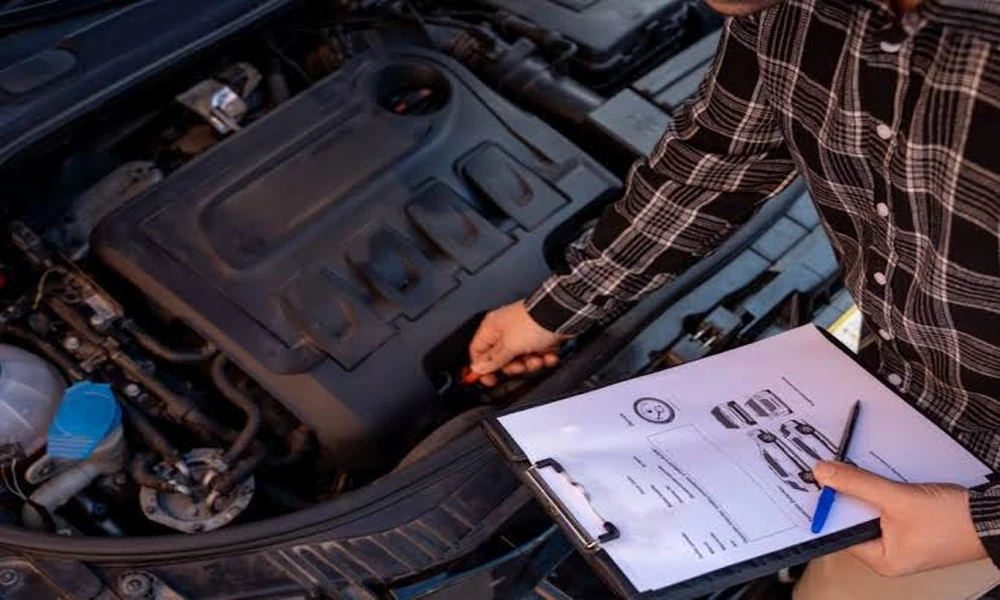
Routine inspection gives vehicle owners an opportunity to identify deterioration early. A technician can examine hose texture flexibility connections and visible surface condition. The inspection should also consider signs of swelling abrasion contamination and leakage. These details help determine whether replacement is appropriate before failure occurs. Car Hose Repair Service can provide useful support when hose deterioration becomes noticeable. Professional assessment is especially valuable when cracks appear alongside other warning signs.