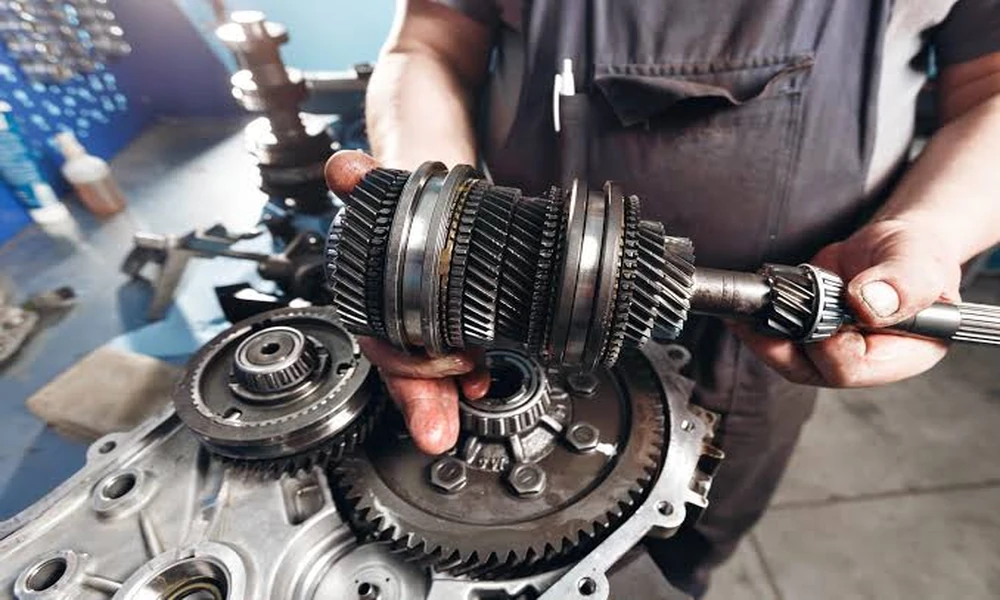

The gearbox is one of the most complex and expensive parts of a car. When it starts slipping, grinding or shifting harshly, many drivers worry about a large repair bill. A gearbox specialist can diagnose the problem accurately and recommend the right repair, whether the car has a manual or automatic transmission. This article explains how the two types differ, what commonly goes wrong with each and what repair options are typically available.
How Manual Transmissions Work
A manual transmission uses a clutch to connect and disconnect the engine from the gearbox, while the driver selects gears using a gear lever. Inside, gears and synchronisers allow smooth changes between ratios. Manual gearboxes are mechanically simpler than automatics, though they still require precise engineering. Common wear items include the clutch, synchronisers, bearings and shift linkages. The clutch is the part most exposed to wear, since it slips briefly every time the car moves off or changes gear.
How Automatic Transmissions Work
Automatic transmissions change gears without driver input. Traditional automatics use a torque converter and planetary gear sets, controlled by hydraulic pressure and electronic systems. Other designs include continuously variable transmissions and dual-clutch transmissions. Automatics are more complex than manuals, with more components that can wear or fail, and they rely heavily on clean transmission fluid. Each design has its own characteristic faults, so a workshop familiar with your specific type is a real advantage.
Common Manual Gearbox Problems
Manual gearboxes typically develop certain issues over time. These include:
- Clutch slipping or difficulty engaging gears
- Grinding when changing gears, often due to worn synchronisers
- Noisy bearings
- Gear lever vibration or looseness
- Oil leaks from seals
Many of these can be repaired without replacing the entire gearbox.
Common Automatic Transmission Problems
Automatic transmissions often show different symptoms. Slipping gears, delayed engagement, harsh or erratic shifting and warning lights are common signs. Overheating fluid can damage internal components. Electronic faults, such as failing solenoids or sensors, may also cause problems. Diagnosis often requires specialised scanning equipment and expertise in the specific transmission type. Some faults put the car into a limp mode, which limits gears and speed to protect the transmission until it can be repaired. A transmission that shifts normally when cold but poorly when hot often points to fluid or internal wear.
Diagnosis Before Repair
Accurate diagnosis is essential for gearbox problems. Symptoms can sometimes be caused by issues outside the gearbox, such as engine mounts, fluid levels or electronic control units. A gearbox specialist will typically road-test the car, scan for fault codes, check fluid condition and inspect for leaks before recommending repairs. This prevents unnecessary work and ensures the right problem is fixed. Some faults only appear when the transmission is hot, so the road test may need to last longer than a quick drive around the block. A good diagnosis also tells you whether the problem is likely to get worse quickly or can be monitored.
Repair Options for Manual Gearboxes
Manual gearbox repairs range from clutch replacement to full overhauls. Clutch replacement is one of the most common jobs. Synchroniser or bearing replacement requires dismantling the gearbox. In some cases, a reconditioned gearbox may be fitted. The best option depends on the extent of wear and the cost of parts. When the clutch is replaced, the flywheel and release bearing are often checked or replaced at the same time. Replacing worn synchronisers usually restores smooth changes without the cost of a new gearbox.
Repair Options for Automatic Transmissions
Automatic transmission repairs may include fluid and filter changes, solenoid replacement, valve body repairs or a full overhaul. Some problems can be resolved with relatively simple repairs, while others require rebuilding the transmission. Replacement with a new or reconditioned unit is another option. A specialist can advise which approach offers the best value. Software updates from the manufacturer can also resolve certain shifting complaints.
The Importance of Transmission Fluid
Transmission fluid lubricates, cools and, in automatics, transmits hydraulic pressure. Old or contaminated fluid can cause wear and shifting problems. Some manufacturers specify fluid changes at set intervals, while others describe the fluid as long-life. In Singapore’s hot climate and heavy traffic, periodic fluid checks are sensible. Using the correct fluid type is essential. Fluid that looks dark or smells burnt is a sign that it should be checked by a specialist. Many gearbox specialists recommend a check at every major service, even when the manual calls the fluid long-life.
Preventing Gearbox Problems
Good habits help extend gearbox life. Practical steps include:
- Following service recommendations for fluid changes
- Avoiding harsh acceleration and abrupt shifts
- Not resting your hand on the gear lever in manual cars
- Coming to a complete stop before shifting into reverse or drive
- Addressing warning signs promptly
These habits reduce wear and help avoid costly repairs.
Choosing a Specialist
Gearbox repairs require expertise and specialised equipment. Look for a workshop with experience in your transmission type, clear diagnostic processes and warranties on repairs. For drivers facing gearbox issues, a dedicated transmission repair specialist in Singapore can diagnose the problem and recommend the right solution. Ask how long the repair will take and whether a replacement car can be arranged.