
A clean car feels good to drive. But when it’s time for more than a quick rinse, most owners face the same question: do it yourself on a Saturday, or pay someone who does it every day?
There’s no single right answer. The better choice depends on your budget, your free time, the condition of your vehicle, and how much you care about the finer points of paint and upholstery.
This guide compares both routes honestly, looking at what each really costs, how long it takes, and what kind of results you can expect.
What “Detailing” Actually Means
Detailing isn’t just a thorough car wash. A full detail usually includes paint decontamination, polishing, protection, and a deep clean of the cabin, from carpets and seats to vents and door jambs.
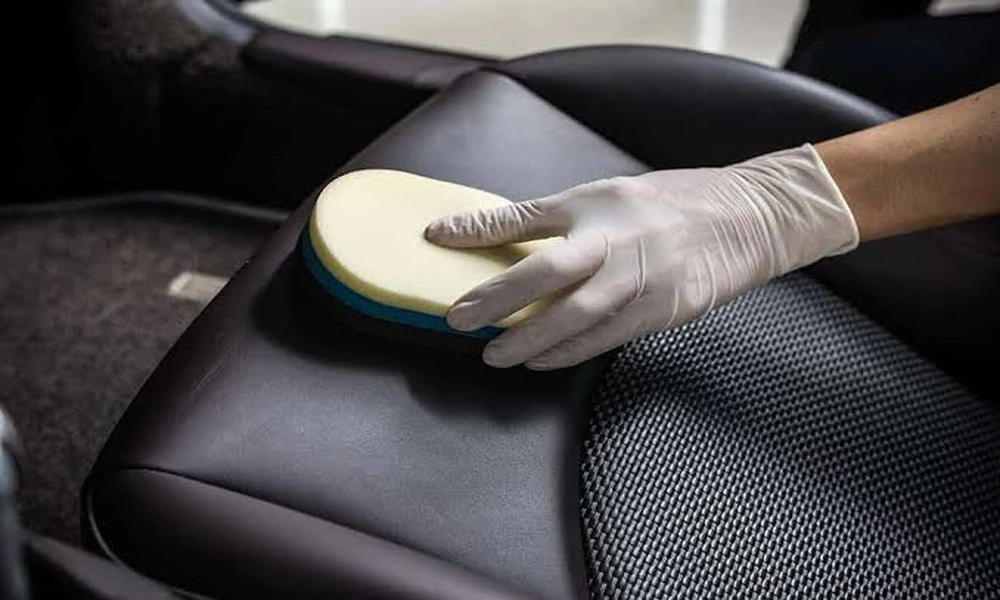
On the exterior, that can mean a clay bar treatment to lift embedded contaminants, an iron remover for brake dust, and a wax, sealant, or ceramic coating to protect the clear coat. Inside, it often involves hot-water extraction for fabric, leather cleaning and conditioning, and UV protection for plastics.
Knowing this scope matters because it changes the comparison. Washing and vacuuming at home is very different from reproducing a full professional service.
The Real Cost of DIY Detailing
DIY looks cheap at first, and for basic upkeep it often is. A solid starter kit with two buckets, grit guards, a pH-neutral shampoo, microfiber mitts, drying towels, and a few interior cleaners typically runs somewhere between $100 and $250.
Costs climb quickly once you move beyond washing. A dual-action polisher, pads, compounds, a clay kit, and a decent wet/dry vacuum can add several hundred dollars more, and a carpet extractor adds more on top of that.
The upside is that most of this equipment lasts for years. If you detail two or three cars in your household regularly, the per-session cost drops well below what you’d pay a shop.
What You’re Paying For With a Professional Detail
Professional pricing varies widely by region, vehicle size, and condition. A standard interior and exterior detail for a sedan often falls in the low-to-mid hundreds, while multi-stage paint correction or a ceramic coating can reach well into four figures.
That price covers more than labor. You’re paying for commercial-grade tools, tested product systems, insurance, and the judgment that comes from working on hundreds of different paint finishes and interior materials.
It also helps to understand how shops structure their work. Reviewing a typical professional detailing service menu shows how interior work, exterior work, and paint protection are usually priced as separate steps, which makes it easier to pay only for what your car actually needs.
Time: The Cost Most People Underestimate
Time is where DIY gets expensive in a less obvious way. A first-timer doing a thorough wash, decontamination, polish, and interior clean can easily spend most of a day on one vehicle.
Professionals move faster because they’ve built a repeatable workflow. They know which step comes first, which products work on which surface, and how to avoid redoing work because a towel picked up grit.
For some owners, those hours are a hobby they enjoy. For others, a lost weekend costs more than the service would have, and that trade-off deserves a place in the math.
Comparing Results: Where Skill and Equipment Show
For regular maintenance washes and interior tidying, a careful DIYer can get results close to a professional’s. Good technique, like the two-bucket method and gentle drying with plush microfiber, prevents most of the damage people blame on “bad washes.”
The gap widens with paint correction. Removing swirl marks and light scratches means cutting a thin layer of clear coat, and professionals often use a paint depth gauge to measure how much material there is before they start.
Interiors show a similar pattern. Pet hair, set-in coffee stains, and odors trapped in the headliner or HVAC system usually respond better to steam cleaners, extractors, and experience than to household sprays.
Risks Worth Knowing Before You Start
The biggest DIY risk is well-meant damage. Dish soap strips wax, a dirty sponge drags grit across the paint, and a rotary polisher in untrained hands can burn through clear coat or leave holograms that only show in direct sun.
Interior surfaces carry their own risks. All-purpose cleaners mixed too strong can dry out leather or discolor soft-touch plastics, and too much water in carpets can lead to mildew.
There’s also an environmental side. The EPA recommends limiting runoff when washing at home by using a spray nozzle to restrict water flow, washing on the lawn, or choosing a commercial car wash, since soapy water in the street can carry pollutants into storm drains and local waterways. US EPA
How to Choose a Professional Detailer
If you decide to hire out, the quality of the detailer matters more than the price on the menu. Ask what products they use, how they wash to avoid scratching, and whether they inspect the paint before recommending correction.
Credentials can help you narrow the field. The International Detailing Association runs a certification program with a written knowledge phase called Certified Detailer and a hands-on phase called Skills Validation, so asking whether a technician holds IDA certification is a reasonable place to start.
When you browse a shop’s website, whether it’s a small local operator or a business like Chariot Detailing, look for clear explanations of process rather than just before-and-after photos. A detailer who explains what they do and why is usually one who does it carefully.
The Hybrid Approach Many Owners Use
Many car owners end up somewhere in the middle. They book a professional detail once or twice a year for the heavy lifting, then handle maintenance washes and quick interior cleanups at home.
This works especially well after paint correction or a ceramic coating. The professional does the skilled, equipment-heavy work, and the owner protects that investment with safe weekly washes.
It’s also a smart way to learn. Watching how a professional approaches your car, and asking questions at pickup, can make your own DIY sessions faster and safer.
Making the Right Call for Your Car
DIY detailing makes sense if you enjoy the process, have space to work, and are willing to learn proper technique. It pays off most for routine maintenance and for households with more than one vehicle.
Professional detailing is the stronger choice for paint correction, heavily soiled interiors, pre-sale prep, and anyone short on time. You’re paying for skill, equipment, and consistency that take years to build.
Whichever route you take, the goal is the same: a vehicle that looks cared for and holds its value longer. Start with an honest look at your car’s condition, then choose the approach that fits your time, budget, and standards.